Unlocking the Potential of Buckwheat Flour: A Comprehensive Guide
Buckwheat flour, or *farine au sarrasin* as it’s known in French, is gaining significant traction in the culinary world and for good reason. This versatile flour, despite its name, is not related to wheat at all. It’s a pseudocereal, meaning it’s a seed that is used in much the same way as grains. Its unique nutritional profile and distinctive flavor make *farine au sarrasin* a compelling ingredient for both home cooks and professional chefs. In this comprehensive guide, we’ll delve into the origins, nutritional benefits, culinary applications, and potential drawbacks of using buckwheat flour.
What is Buckwheat Flour?
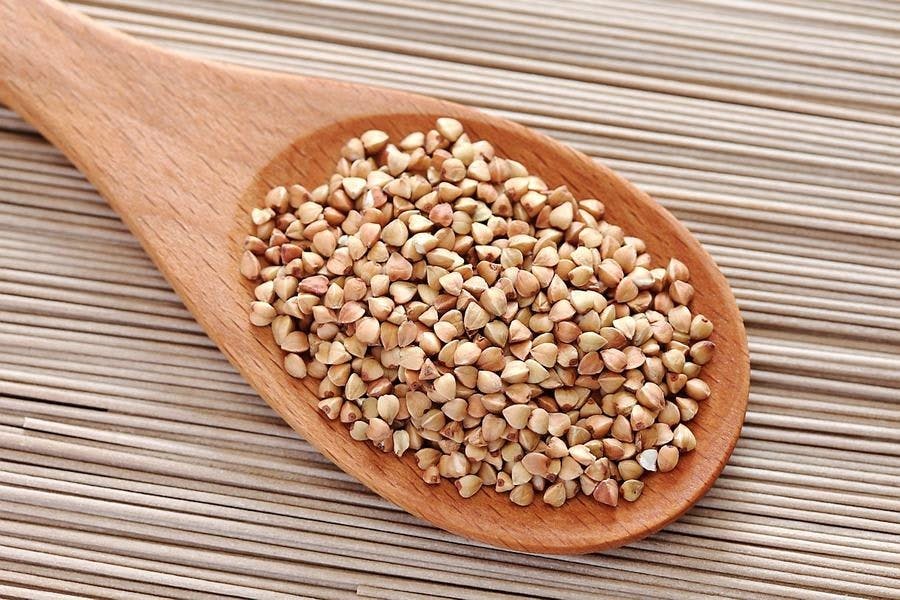
Buckwheat flour is made by grinding buckwheat groats. These groats are the seeds of the buckwheat plant, *Fagopyrum esculentum*. The plant is native to Asia, and buckwheat has been cultivated for thousands of years. While it’s often associated with Russian or Eastern European cuisine, it’s enjoyed worldwide in various forms.
The term “buckwheat” is thought to derive from the Dutch word “boekweit,” meaning “beech wheat,” due to the similarity of its seeds to beech nuts. However, unlike wheat, buckwheat is gluten-free, making *farine au sarrasin* a popular choice for those with celiac disease or gluten sensitivities.
Nutritional Benefits of *Farine au Sarrasin*
One of the primary reasons for the rising popularity of buckwheat flour is its impressive nutritional profile. It’s a good source of various essential nutrients, including:
- Fiber: Buckwheat flour is high in dietary fiber, which aids in digestion, promotes feelings of fullness, and can help regulate blood sugar levels.
- Protein: It contains a decent amount of plant-based protein, making it a valuable addition to vegetarian and vegan diets.
- Minerals: Buckwheat flour is rich in minerals such as magnesium, iron, phosphorus, and potassium, all crucial for various bodily functions.
- Antioxidants: It contains antioxidants like rutin and quercetin, which help protect the body against damage from free radicals.
- Resistant Starch: Buckwheat flour contains resistant starch, which acts like fiber and can improve gut health.
Compared to wheat flour, *farine au sarrasin* generally has a lower glycemic index (GI), meaning it causes a slower rise in blood sugar levels. This makes it a potentially better option for individuals with diabetes or those looking to manage their blood sugar.
Culinary Applications of Buckwheat Flour
The distinctive nutty and slightly earthy flavor of buckwheat flour makes it a versatile ingredient in a wide range of dishes. Here are some popular culinary uses:
Pancakes and Crepes
Buckwheat pancakes and crepes are a classic application, particularly in French cuisine. Galettes, savory crepes made with *farine au sarrasin*, are a staple in Brittany. The flour imparts a unique flavor and slightly darker color to these breakfast staples. They pair exceptionally well with savory fillings like ham, cheese, eggs, and vegetables. [See also: Savory Crepe Recipes]
Noodles
In Japan, buckwheat flour is used to make soba noodles. These thin, brown noodles have a distinctive nutty flavor and are often served cold with a dipping sauce or in hot broth. The percentage of buckwheat flour in soba noodles varies, with some containing a higher proportion for a more intense flavor.
Baked Goods
Buckwheat flour can be used in a variety of baked goods, including bread, muffins, cakes, and cookies. However, due to the lack of gluten, it’s often combined with other flours to provide structure and elasticity. Using *farine au sarrasin* can add a unique flavor and texture to baked goods, as well as enhance their nutritional value. Experimenting with different ratios of buckwheat flour to other flours can yield interesting and delicious results.
Porridge and Gruel
In Eastern European countries, buckwheat groats are often cooked into porridge or gruel, providing a hearty and nutritious meal. The flour can also be used to thicken soups and stews. *Farine au sarrasin* adds a subtle earthiness to these dishes.
Thickening Agent
Similar to cornstarch, buckwheat flour can be used as a thickening agent in sauces and soups. Whisk a small amount of buckwheat flour with cold water to create a slurry, then add it to the simmering liquid. This is a great gluten-free alternative to wheat flour for thickening.
Tips for Cooking with Buckwheat Flour
While buckwheat flour offers many benefits, it can be slightly different to work with than wheat flour. Here are some tips to ensure success:
- Combine with other flours: Due to the lack of gluten, buckwheat flour can result in dense or crumbly baked goods if used on its own. Mixing it with other flours, such as all-purpose flour, rice flour, or tapioca starch, can improve the texture.
- Use a binding agent: Adding a binding agent like xanthan gum or guar gum can help improve the structure of gluten-free baked goods made with *farine au sarrasin*.
- Adjust liquid ratios: Buckwheat flour tends to absorb more liquid than wheat flour, so you may need to adjust the liquid ratios in your recipes.
- Don’t overmix: Overmixing can lead to tough baked goods. Mix until just combined.
- Store properly: Buckwheat flour is susceptible to oxidation, so it’s best to store it in an airtight container in a cool, dark place.
Potential Drawbacks of Buckwheat Flour
While generally safe and nutritious, there are a few potential drawbacks to consider:
- Allergies: Although less common than wheat allergies, buckwheat allergies do exist. Individuals with known buckwheat allergies should avoid *farine au sarrasin* and products containing it.
- Phytic Acid: Buckwheat contains phytic acid, which can inhibit the absorption of certain minerals like iron and zinc. However, soaking, sprouting, or fermenting buckwheat can reduce phytic acid levels.
- Taste: The distinctive nutty flavor of buckwheat flour may not appeal to everyone. It’s best to start with small amounts and gradually increase the proportion in recipes as you become accustomed to the taste.
Where to Buy Buckwheat Flour
Buckwheat flour is becoming increasingly available in grocery stores, health food stores, and online retailers. Look for *farine au sarrasin* or buckwheat flour specifically. Make sure to check the expiration date and store the flour properly to maintain its quality. [See also: Online Retailers for Specialty Flours]
Conclusion
Buckwheat flour, or *farine au sarrasin*, is a versatile and nutritious ingredient that can add a unique flavor and texture to a wide range of dishes. Its gluten-free nature makes it a valuable option for those with dietary restrictions, while its impressive nutritional profile offers numerous health benefits. By understanding its properties and following some simple tips, you can unlock the full potential of buckwheat flour and incorporate it into your cooking and baking repertoire. Whether you’re making classic galettes, hearty soba noodles, or experimenting with gluten-free baked goods, *farine au sarrasin* is a worthwhile ingredient to explore.
