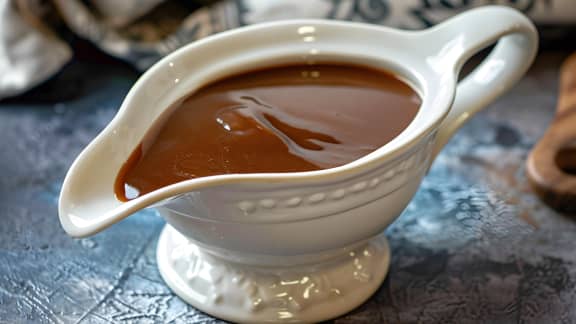
The Ultimate Guide to Sauce for Meat: Elevate Your Culinary Creations
The perfect sauce for meat can transform an ordinary meal into an extraordinary culinary experience. From the simplest pan sauce to elaborate reductions, the right sauce for meat complements the flavors, enhances the texture, and adds a touch of sophistication to any cut. This comprehensive guide explores various types of sauces for meat, offering insights into their preparation, flavor profiles, and ideal pairings. Whether you’re grilling a steak, roasting a chicken, or braising pork, understanding the art of sauce for meat is essential for any home cook or professional chef.
Understanding the Basics of Sauce Making
Before diving into specific recipes, it’s crucial to grasp the fundamental principles of sauce making. A well-crafted sauce for meat typically involves a liquid base, a thickening agent, and flavoring components. The liquid base can range from stock and wine to cream and even fruit juice. Thickening agents, such as roux, cornstarch, or reductions, provide the desired consistency. Finally, herbs, spices, and other aromatics contribute to the unique flavor profile of the sauce for meat.
Essential Ingredients and Techniques
- Stocks: Homemade or high-quality store-bought stocks form the foundation of many sauces for meat. Chicken, beef, and vegetable stocks each impart distinct flavors.
- Wine: Red and white wines add depth and complexity to sauces for meat. They should be reduced to concentrate their flavors before adding other ingredients.
- Roux: A mixture of equal parts butter and flour, roux is a classic thickening agent for creamy sauces for meat.
- Reductions: Reducing a liquid over heat concentrates its flavor and thickens it naturally. This technique is often used with stocks and wine to create rich and intense sauces for meat.
- Herbs and Spices: Fresh or dried herbs and spices add aromatic complexity to sauces for meat. Common choices include thyme, rosemary, garlic, and pepper.
Popular Types of Sauce for Meat
The world of sauce for meat is vast and diverse, offering endless possibilities for culinary exploration. Here are some of the most popular and versatile types of sauces for meat:
Pan Sauces
Pan sauces for meat are quick, easy, and incredibly flavorful. They are made by deglazing the pan after searing or roasting meat, using the flavorful fond (the browned bits stuck to the bottom of the pan) as a base. Common ingredients include wine, stock, butter, and herbs. A pan sauce for meat is perfect for weeknight dinners and can be customized to complement any type of meat.
Béarnaise Sauce
Béarnaise is a classic French sauce for meat. It is an emulsion of clarified butter, egg yolks, white wine vinegar, and herbs such as tarragon and chervil. Rich, creamy, and tangy, Béarnaise is a luxurious accompaniment to steak, grilled chicken, and eggs Benedict.
Chimichurri Sauce
Originating from Argentina, chimichurri is a vibrant and herbaceous sauce for meat made from finely chopped parsley, oregano, garlic, olive oil, red wine vinegar, and red pepper flakes. Its bright and zesty flavors make it an excellent pairing for grilled steak, chicken, and vegetables. Unlike many other sauces for meat, chimichurri is not cooked, allowing its fresh flavors to shine.
Barbecue Sauce
Barbecue sauce is a staple in American cuisine, known for its sweet, tangy, and smoky flavors. There are countless variations, ranging from tomato-based sauces to mustard-based and vinegar-based sauces. Barbecue sauce is traditionally used for grilled or smoked meats, such as ribs, chicken, and pulled pork. The best barbecue sauce for meat depends on personal preference and the type of meat being served.
Demi-Glace
Demi-glace is a rich and intensely flavored brown sauce for meat made from a reduction of brown stock and Espagnole sauce. It is a labor-intensive sauce for meat to prepare, but its deep, savory flavor is unparalleled. Demi-glace is often used as a base for other sauces or served as a luxurious accompaniment to steak and other premium cuts of meat.
Mushroom Sauce
Mushroom sauce for meat is a creamy and earthy sauce made from sautéed mushrooms, butter, cream, and herbs. It is a versatile sauce for meat that pairs well with steak, chicken, and pork. Different types of mushrooms, such as cremini, shiitake, and porcini, can be used to create unique flavor profiles. A touch of sherry or Madeira wine can add further depth to the sauce for meat.
Au Poivre Sauce
Au poivre sauce for meat is a classic French sauce made with peppercorns, brandy, cream, and beef stock. It is typically served with steak, particularly steak au poivre, where the steak is coated in crushed peppercorns before cooking. The spicy peppercorns and rich cream create a balanced and flavorful sauce for meat.
Tips for Making the Perfect Sauce for Meat
Creating the perfect sauce for meat requires attention to detail and a willingness to experiment. Here are some tips to help you achieve culinary success:
- Use High-Quality Ingredients: The flavor of your sauce for meat will only be as good as the ingredients you use. Choose fresh herbs, high-quality stocks, and flavorful wines.
- Taste as You Go: Regularly taste your sauce for meat as it cooks and adjust the seasoning as needed. Add salt, pepper, herbs, or spices to achieve the desired flavor profile.
- Control the Heat: Adjust the heat to prevent the sauce for meat from burning or scorching. Low and slow cooking often yields the best results.
- Strain for a Smooth Texture: If you prefer a smooth sauce for meat, strain it through a fine-mesh sieve to remove any lumps or solids.
- Emulsify Properly: When making emulsified sauces for meat like Béarnaise, ensure that the ingredients are properly emulsified to prevent separation.
- Thicken Gradually: When using a thickening agent like roux or cornstarch, add it gradually to the sauce for meat to avoid clumping.
- Experiment with Flavors: Don’t be afraid to experiment with different herbs, spices, and other flavorings to create your own signature sauce for meat.
Pairing Sauces with Different Types of Meat
The key to a successful meal is pairing the right sauce for meat with the appropriate cut. Here are some general guidelines:
- Steak: Rich and flavorful sauces like Béarnaise, demi-glace, and au poivre pair well with steak. Chimichurri is also an excellent choice for grilled steak.
- Chicken: Creamy sauces like mushroom sauce and pan sauces with herbs and lemon complement chicken. Barbecue sauce is a classic choice for grilled or smoked chicken.
- Pork: Sweet and tangy sauces like barbecue sauce and fruit-based sauces pair well with pork. Mushroom sauce and pan sauces with sage and apple also complement pork.
- Lamb: Mint sauce, rosemary sauce, and red wine reductions are classic pairings for lamb. Chimichurri also works well with grilled lamb.
- Fish: While this article focuses on sauce for meat, it’s worth noting that fish benefits from sauces too. Lemon butter sauce, dill sauce, and hollandaise are excellent choices for fish.
Conclusion: Mastering the Art of Sauce for Meat
Mastering the art of creating the perfect sauce for meat is a rewarding culinary journey. By understanding the basics of sauce making, exploring different types of sauces, and experimenting with flavors, you can elevate your meals to new heights. Whether you’re a seasoned chef or a home cook, the right sauce for meat can transform an ordinary dish into an unforgettable dining experience. So, grab your ingredients, fire up the stove, and start creating your own signature sauces for meat today!
[See also: Grilling the Perfect Steak]
[See also: Homemade BBQ Sauce Recipes]
