Enviro Educ Action: Empowering Future Generations Through Environmental Education
The urgency of addressing environmental challenges has never been more pronounced. From climate change to biodiversity loss, the planet faces unprecedented threats that demand immediate and sustained action. Enviro Educ Action emerges as a critical initiative, focusing on the power of education to inspire and equip future generations with the knowledge, skills, and values needed to create a sustainable world. This article explores the significance of environmental education, its various facets, and the concrete actions individuals and communities can take to foster a more environmentally conscious society. We will delve into the methodologies, impacts, and future directions of Enviro Educ Action, highlighting its role in shaping a responsible and resilient global citizenry.
The Imperative of Environmental Education
Environmental education is not merely an academic subject; it is a transformative process that cultivates environmental literacy and stewardship. It encompasses a broad range of topics, including ecology, conservation, sustainability, and the interconnectedness of natural systems. By understanding these concepts, individuals can make informed decisions and take meaningful actions to protect the environment.
One of the primary goals of environmental education is to raise awareness about the environmental challenges facing the planet. This includes educating people about the causes and consequences of climate change, pollution, deforestation, and other environmental issues. By understanding the scope of these problems, individuals are more likely to take them seriously and seek solutions. [See also: Climate Change Mitigation Strategies]
Furthermore, environmental education fosters critical thinking and problem-solving skills. It encourages students to analyze complex environmental issues, evaluate different perspectives, and develop innovative solutions. This type of education is essential for creating a generation of leaders who can address the environmental challenges of the future. Enviro Educ Action initiatives often incorporate hands-on activities, field trips, and community projects to enhance learning and engagement.
Key Components of Enviro Educ Action
Enviro Educ Action encompasses several key components, each designed to contribute to a comprehensive and effective environmental education program:
- Curriculum Development: Developing age-appropriate and engaging curricula that cover a wide range of environmental topics. This includes incorporating local environmental issues and case studies to make the learning more relevant.
- Teacher Training: Providing teachers with the knowledge, skills, and resources they need to effectively teach environmental education. This includes workshops, seminars, and ongoing professional development opportunities.
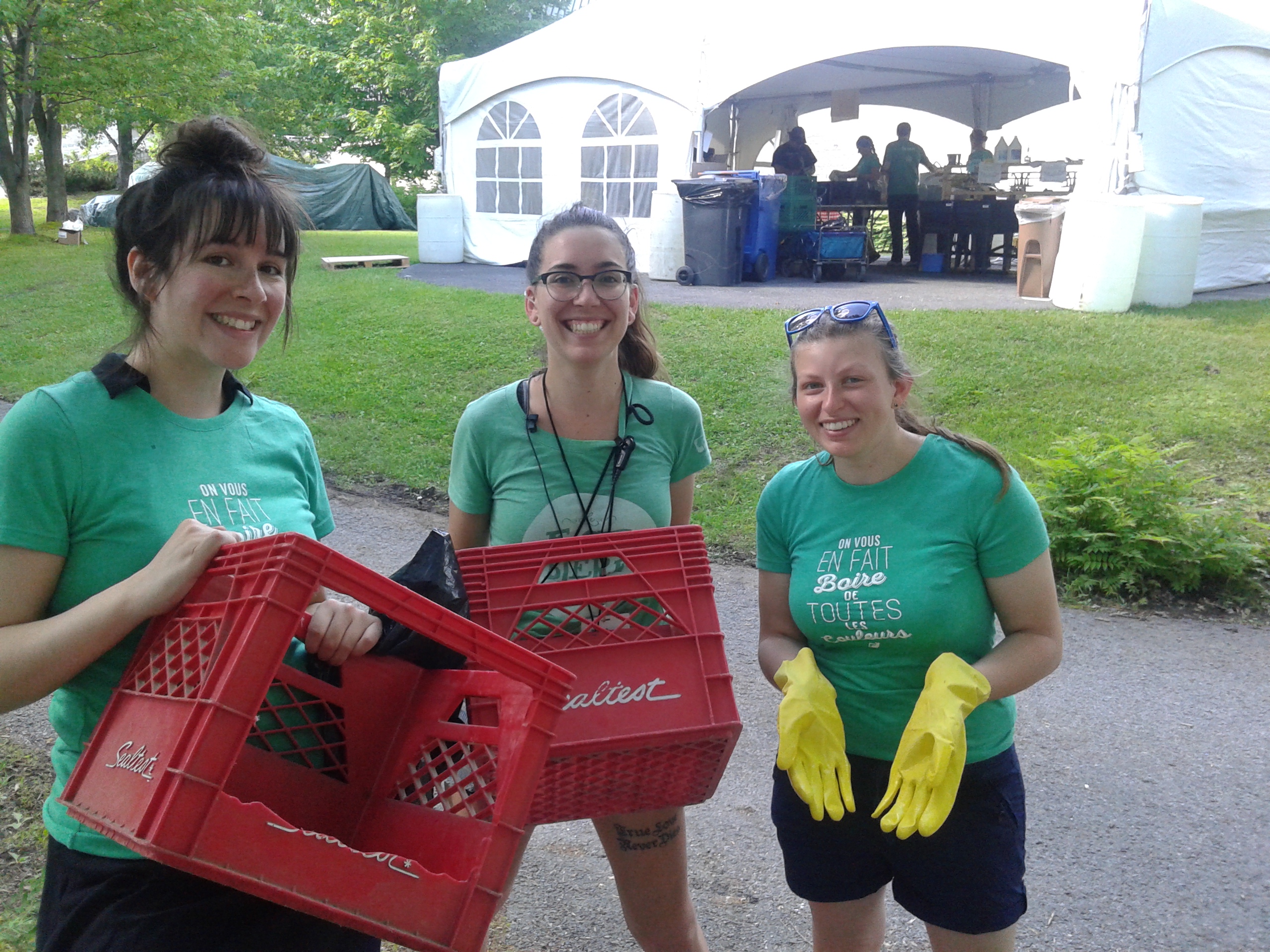
- Community Engagement: Engaging the local community in environmental education initiatives. This can include organizing community clean-ups, workshops, and events that promote environmental awareness and action.
- Partnerships: Building partnerships with other organizations, businesses, and government agencies to support environmental education efforts. This can include collaborating on projects, sharing resources, and advocating for environmental policies.
- Resource Development: Creating and distributing educational materials, such as books, videos, and online resources, that support environmental education.
Effective Strategies for Enviro Educ Action
To maximize the impact of Enviro Educ Action, it is essential to employ effective strategies that engage learners and promote long-term behavior change. Some of these strategies include:
Experiential Learning
Experiential learning involves hands-on activities and real-world experiences that allow students to learn by doing. This can include conducting experiments, participating in environmental restoration projects, and visiting natural areas. Experiential learning is particularly effective because it allows students to directly experience the concepts they are learning, making the learning more meaningful and memorable. [See also: Sustainable Living Practices]
Inquiry-Based Learning
Inquiry-based learning encourages students to ask questions, investigate environmental issues, and develop their own solutions. This approach fosters critical thinking and problem-solving skills, as well as a deeper understanding of environmental concepts. Inquiry-based learning can involve conducting research, analyzing data, and presenting findings to others.
Place-Based Education
Place-based education focuses on the local environment and community. It encourages students to learn about the environmental issues and challenges facing their own communities and to take action to address them. This approach makes learning more relevant and engaging, as well as fostering a sense of connection to the local environment. Enviro Educ Action can be tailored to local contexts to maximize its impact.
Technology Integration
Technology can be a powerful tool for environmental education. It can be used to create interactive learning experiences, access a wealth of information, and connect with other learners around the world. Technology can also be used to monitor environmental conditions, track progress, and share data with others. Using tools like GIS (Geographic Information Systems) can allow students to visualize environmental data and understand spatial relationships.
The Impact of Enviro Educ Action
The impact of Enviro Educ Action extends far beyond the classroom. It can lead to a wide range of positive outcomes, including:
- Increased Environmental Awareness: Raising awareness about environmental issues and the importance of protecting the environment.
- Improved Environmental Knowledge: Enhancing understanding of environmental concepts and the interconnectedness of natural systems.
- Enhanced Environmental Skills: Developing skills such as critical thinking, problem-solving, and environmental stewardship.
- Promoted Environmental Behavior: Encouraging individuals to adopt more environmentally friendly behaviors, such as reducing waste, conserving energy, and supporting sustainable practices.
- Strengthened Environmental Values: Fostering a sense of responsibility and care for the environment.
These outcomes can contribute to a more sustainable and resilient society, where individuals are empowered to make informed decisions and take meaningful actions to protect the environment. Enviro Educ Action plays a crucial role in building a future where environmental sustainability is a core value.
Challenges and Opportunities in Enviro Educ Action
Despite the many benefits of Enviro Educ Action, there are also several challenges that need to be addressed. These include:
- Limited Funding: Environmental education programs often face limited funding, which can make it difficult to develop and implement effective programs.
- Lack of Teacher Training: Many teachers lack the training and resources they need to effectively teach environmental education.
- Curriculum Constraints: Environmental education is often not integrated into the core curriculum, which can limit its impact.
- Community Disengagement: Engaging the community in environmental education initiatives can be challenging, particularly in areas where there is little awareness or concern about environmental issues.
However, there are also many opportunities to overcome these challenges and expand the reach and impact of Enviro Educ Action. These include:
- Increased Funding: Advocating for increased funding for environmental education programs at the local, state, and national levels.
- Enhanced Teacher Training: Providing teachers with more training and resources to support environmental education.
- Curriculum Integration: Integrating environmental education into the core curriculum, so that it is a regular part of the learning experience.
- Community Partnerships: Building stronger partnerships with community organizations, businesses, and government agencies to support environmental education.
Future Directions for Enviro Educ Action
The future of Enviro Educ Action is bright, with many opportunities to expand its reach and impact. Some of the key directions for the future include:
- Expanding the Scope of Environmental Education: Broadening the scope of environmental education to include topics such as climate justice, environmental racism, and the social and economic dimensions of environmental issues.
- Promoting Environmental Literacy: Focusing on developing environmental literacy among all members of society, so that everyone has the knowledge, skills, and values they need to make informed decisions about the environment.
- Integrating Technology: Using technology to create more engaging and effective learning experiences, as well as to monitor environmental conditions and track progress.
- Building Global Partnerships: Building partnerships with organizations and individuals around the world to share knowledge and resources, and to address global environmental challenges.
- Empowering Youth: Empowering young people to become environmental leaders and advocates, so that they can play a key role in shaping a sustainable future.
Conclusion
Enviro Educ Action is an essential component of creating a sustainable future. By educating and empowering individuals to understand and address environmental challenges, we can build a more resilient and responsible global citizenry. Through effective strategies, strong partnerships, and a commitment to continuous improvement, Enviro Educ Action can help create a world where environmental sustainability is a core value. The journey towards a sustainable future begins with education, and Enviro Educ Action is leading the way. The future of our planet depends on the actions we take today, and environmental education is the key to unlocking a more sustainable tomorrow. Let us all commit to supporting and promoting Enviro Educ Action in our communities and around the world, ensuring that future generations have the knowledge, skills, and values they need to protect and preserve our planet.
