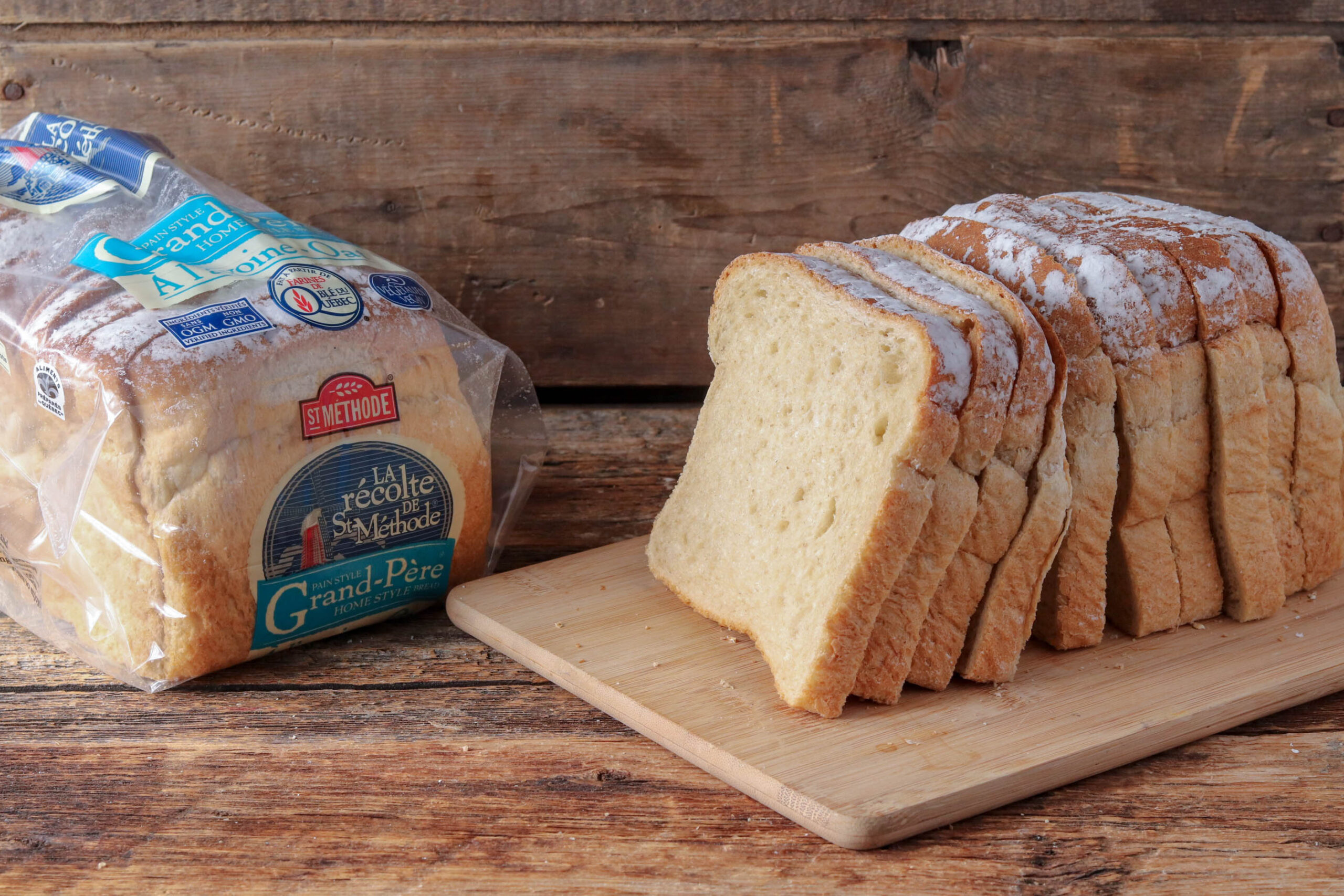
Unveiling the Rustic Charm of Pain Grand-Père: A Deep Dive into a Beloved Bread
Pain Grand-Père, or ‘Grandfather’s Bread,’ evokes images of simpler times, of hearth-baked loaves and time-honored traditions. This hearty, rustic bread, known for its robust flavor and satisfying texture, has captured the hearts (and stomachs) of bread lovers worldwide. This article delves into the history, characteristics, preparation, and cultural significance of Pain Grand-Père, exploring why it remains a cherished staple in bakeries and homes alike.
The History and Origins of Pain Grand-Père
The exact origins of Pain Grand-Père are somewhat shrouded in mystery, much like the tales passed down through generations. Its name suggests a link to traditional, old-world baking practices. It’s believed to have originated in rural France, where grandfathers, often the patriarchs of the family, would oversee the baking of bread in large, communal ovens. These ovens, heated by wood fires, imparted a unique smoky flavor and a characteristic crust to the bread. The Pain Grand-Père recipe would have been a closely guarded family secret, passed down from one generation to the next. The bread was a staple, providing sustenance for families and communities.
While pinpointing a specific inventor or region is difficult, the essence of Pain Grand-Père lies in its embodiment of traditional techniques and ingredients. It represents a connection to the past, a time when bread was more than just a commodity; it was a symbol of community, family, and the simple pleasures of life. The rustic nature of the bread, with its irregular shape and uneven crumb, reflects the hands-on approach to baking that was prevalent in those days. The focus was on quality ingredients and slow fermentation, allowing the flavors to develop fully.
Key Characteristics of Authentic Pain Grand-Père
What distinguishes Pain Grand-Père from other types of bread? Several key characteristics contribute to its unique appeal:
- Robust Flavor: The use of a sourdough starter or poolish lends Pain Grand-Père a complex, slightly tangy flavor that deepens over time. This fermentation process enhances the natural sweetness of the wheat and adds subtle notes of acidity.
- Rustic Crust: The crust is thick, chewy, and deeply colored, often with a slightly blistered surface. This is achieved through high-temperature baking and the use of steam in the oven. The crust provides a satisfying contrast to the soft, airy crumb inside.
- Open Crumb Structure: The crumb is characterized by large, irregular holes, indicating a well-fermented dough and proper gluten development. This open structure allows the bread to absorb sauces and spreads beautifully.
- Hearty Texture: Pain Grand-Père is a substantial bread, with a dense yet tender texture that holds up well to slicing and toasting. It’s a bread that satisfies, both in terms of flavor and mouthfeel.
- Simple Ingredients: Traditionally, Pain Grand-Père is made with just a few basic ingredients: flour, water, salt, and a starter. The quality of these ingredients is crucial to the final product.
The Art of Making Pain Grand-Père: A Step-by-Step Guide
While making Pain Grand-Père requires patience and attention to detail, the process is ultimately rewarding. Here’s a simplified overview of the steps involved:
- Prepare the Starter: A healthy sourdough starter is essential for achieving the characteristic flavor and texture of Pain Grand-Père. The starter needs to be fed regularly for several days before baking to ensure it’s active and bubbly.
- Mix the Dough: Combine the starter with flour, water, and salt in a large bowl. Mix until a shaggy dough forms. Autolyse (rest) the dough for 30-60 minutes to allow the flour to fully hydrate.
- Bulk Fermentation: Knead the dough briefly, then place it in a lightly oiled bowl to ferment. Perform stretch and folds every 30-60 minutes for the first few hours to develop strength and structure. The total bulk fermentation time will vary depending on the temperature and activity of the starter.
- Shape the Loaf: Gently shape the dough into a round or oblong loaf. Place it in a well-floured banneton basket or on a parchment-lined baking sheet.
- Proof the Loaf: Cover the loaf and let it proof in the refrigerator overnight or at room temperature for a few hours.
- Bake the Bread: Preheat the oven to a high temperature (450-500°F). If using a Dutch oven, preheat it as well. Score the top of the loaf with a sharp knife or lame.
- Bake with Steam: Place the loaf in the preheated oven (or Dutch oven) and add steam by placing a tray of hot water on the bottom rack or spraying the loaf with water. Bake for 20-30 minutes, then reduce the heat and continue baking until the crust is deeply colored and the internal temperature reaches 200-210°F.
- Cool and Enjoy: Let the bread cool completely on a wire rack before slicing and serving.
Mastering the art of making Pain Grand-Père takes practice, but the result is a loaf of bread that is truly special. [See also: Sourdough Starter Guide] [See also: Bread Baking Techniques]
Variations and Modern Interpretations of Pain Grand-Père
While the traditional recipe for Pain Grand-Père remains a classic, many bakers have experimented with variations and modern interpretations. Some common variations include:
- Whole Wheat Pain Grand-Père: Substituting a portion of the white flour with whole wheat flour adds a nutty flavor and increases the fiber content.
- Rye Pain Grand-Père: Incorporating rye flour creates a more complex and earthy flavor profile.
- Pain Grand-Père with Seeds and Grains: Adding seeds like sesame, sunflower, or pumpkin seeds, or grains like flax or oats, enhances the texture and nutritional value.
- Fruit and Nut Pain Grand-Père: Adding dried fruits like raisins or cranberries, and nuts like walnuts or pecans, transforms Pain Grand-Père into a delicious sweet treat.
- Pain Grand-Père with Herbs and Spices: Infusing the dough with herbs like rosemary, thyme, or oregano, or spices like caraway or fennel, adds a savory dimension.
These variations demonstrate the versatility of Pain Grand-Père and its ability to adapt to different tastes and preferences. Modern bakers often use techniques like no-knead methods or overnight fermentation to simplify the process and fit it into busy schedules. [See also: Different Types of Bread Flour] [See also: The Benefits of Long Fermentation]
Serving Suggestions and Culinary Uses for Pain Grand-Père
Pain Grand-Père is a versatile bread that can be enjoyed in countless ways. Here are a few serving suggestions and culinary uses:
- As a Table Bread: Serve slices of Pain Grand-Père with butter, olive oil, or your favorite spreads.
- For Sandwiches: The sturdy texture of Pain Grand-Père makes it ideal for sandwiches. Try it with grilled cheese, roasted vegetables, or cured meats.
- In Soups and Stews: Dip chunks of Pain Grand-Père into soups and stews to soak up the flavorful broth.
- For Toast and Crostini: Toast slices of Pain Grand-Père and top them with avocado, ricotta cheese, or bruschetta.
- In Bread Pudding: Use stale Pain Grand-Père to make a comforting and delicious bread pudding.
- As Croutons: Cube and toast Pain Grand-Père to make homemade croutons for salads and soups.
The robust flavor and satisfying texture of Pain Grand-Père make it a perfect accompaniment to a wide range of dishes. Its ability to absorb flavors and hold its shape makes it a valuable ingredient in many culinary creations. Whether enjoyed simply with butter or used in a more elaborate recipe, Pain Grand-Père is sure to please.
The Enduring Appeal of Pain Grand-Père
In a world of mass-produced, flavorless bread, Pain Grand-Père stands out as a reminder of the simple pleasures of life. Its rustic charm, robust flavor, and hearty texture evoke a sense of nostalgia and connection to the past. The process of making Pain Grand-Père, while time-consuming, is a rewarding experience that connects us to the traditions of our ancestors. It’s a bread that nourishes not only the body but also the soul. The enduring appeal of Pain Grand-Père lies in its authenticity, its simplicity, and its ability to transport us to a time when bread was more than just food; it was a symbol of community, family, and the enduring power of tradition. Pain Grand-Père continues to be a beloved bread, cherished for its unique qualities and its ability to bring people together. This bread is more than just a recipe; it’s a piece of history, a taste of tradition, and a testament to the enduring power of simple, wholesome ingredients. The next time you have the opportunity to try Pain Grand-Père, take a moment to savor its rustic charm and appreciate the time-honored traditions that it represents.
